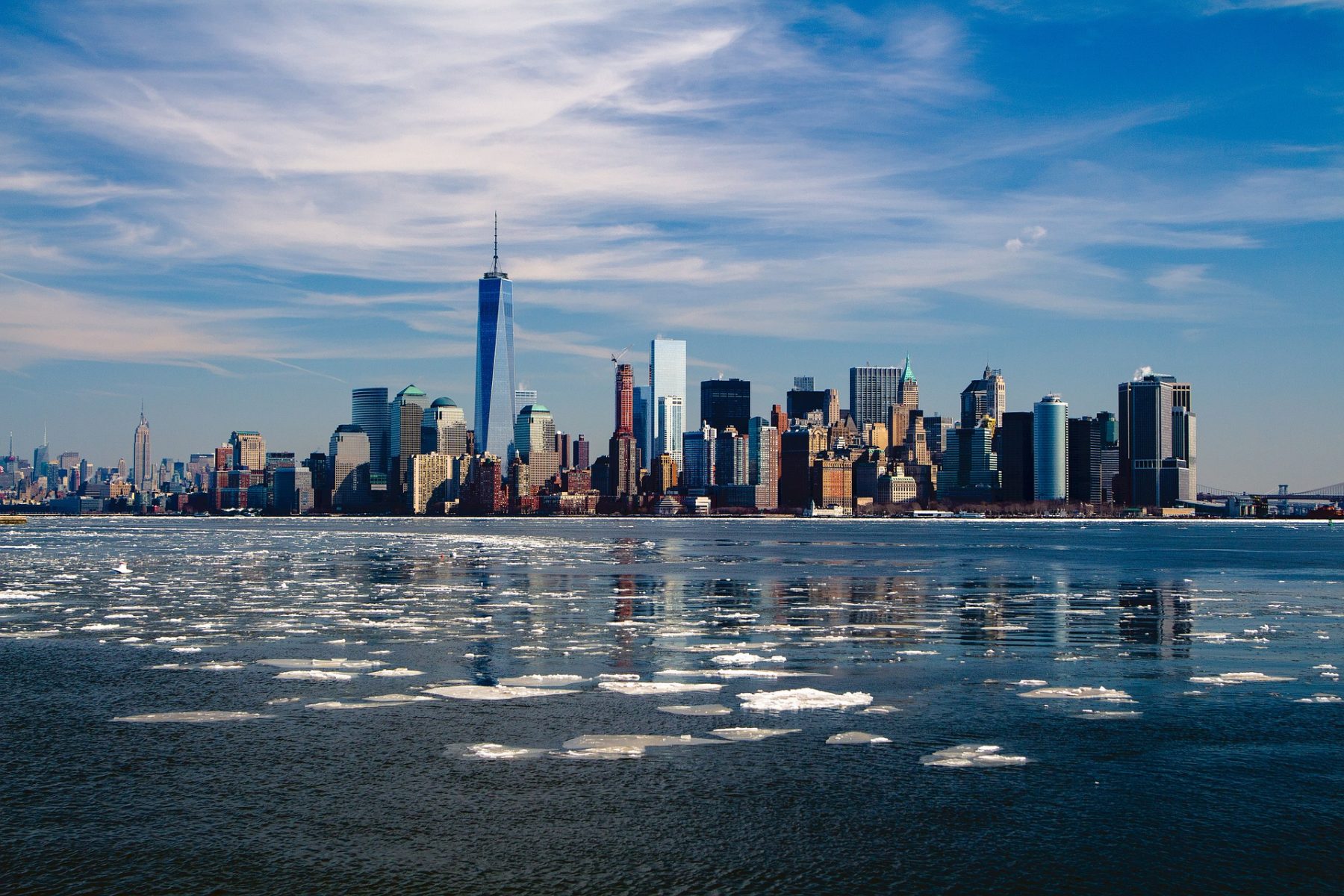
Luxury real estate in New York City is entering 2026 with strong momentum, evolving buyer preferences, and a widening gap between ultra-prime properties and the rest of the market. While broader housing segments face affordability pressures, the high-end sector remains resilient—driven by wealth concentration, limited inventory, and shifting lifestyle priorities.
One of the most defining trends is the continued surge in ultra-luxury sales. Properties priced above $4 million are seeing intense demand, with Manhattan recording dozens of contracts weekly in early 2026 and billions in annual sales volume. High-end deals—especially those exceeding $10 million—are rebounding toward historic peaks, fueled by strong financial markets and renewed Wall Street bonuses. This segment operates largely independent of mortgage rates, as many buyers purchase with cash or complex financing structures.
A key driver behind this growth is scarcity of “trophy” properties. Buyers are competing for homes that offer architectural distinction, privacy, and iconic views—particularly near Central Park, in Tribeca, and along Billionaires’ Row. These one-of-a-kind residences command premium prices because they cannot be easily replicated. As a result, luxury real estate in NYC is increasingly defined by exclusivity rather than sheer size or price alone.
Another major trend shaping 2026 is the shift toward turnkey, fully finished residences. Today’s affluent buyers prefer move-in-ready homes with high-end finishes, smart home technology, and curated interiors. Developers are responding by redesigning or repositioning properties that previously struggled to sell. For example, oversized penthouses are being reconfigured into more practical, livable units that better match buyer expectations. This reflects a broader move away from raw space toward polished, lifestyle-oriented living.
Amenities have also reached a new level of sophistication. Luxury buildings now compete by offering hotel-style services and experiential features—such as wellness centers, golf simulators, private gardens, and concierge services. These amenities are no longer optional; they are central to a property’s value proposition. Increasingly, buyers expect their homes to function as private retreats that support health, leisure, and entertainment without leaving the building.
Privacy and flexibility are also shaping buyer behavior. High-net-worth individuals are prioritizing residences that can accommodate multi-generational living, remote work, and extended stays. Larger layouts, separate guest quarters, and adaptable spaces are becoming more desirable, especially among younger wealthy buyers such as Millennials and Gen X. This marks a shift from purely status-driven purchases to more functional, lifestyle-driven investments.
At the same time, the market reveals a growing divide between condos and co-ops. Luxury condominiums—particularly new developments—are thriving due to fewer restrictions, greater flexibility, and global appeal. In contrast, co-ops are experiencing slower activity due to stricter board approvals and financing limitations, though select prewar properties still attract strong interest. This divergence is reshaping the structure of NYC’s housing market.
Finally, inventory constraints continue to define the landscape. With limited new development in prime locations and strong demand from both domestic and international buyers, competition remains fierce for well-priced luxury homes. This supply-demand imbalance is expected to keep prices stable—or rising—throughout 2026, even amid broader economic uncertainty.
In summary, luxury real estate trends in New York City in 2026 are characterized by resilience, exclusivity, and evolving lifestyle expectations. The market is no longer just about prestige—it is about delivering privacy, convenience, and a fully realized living experience. As wealth continues to concentrate and buyer preferences mature, NYC’s luxury sector remains one of the most dynamic and competitive in the world.