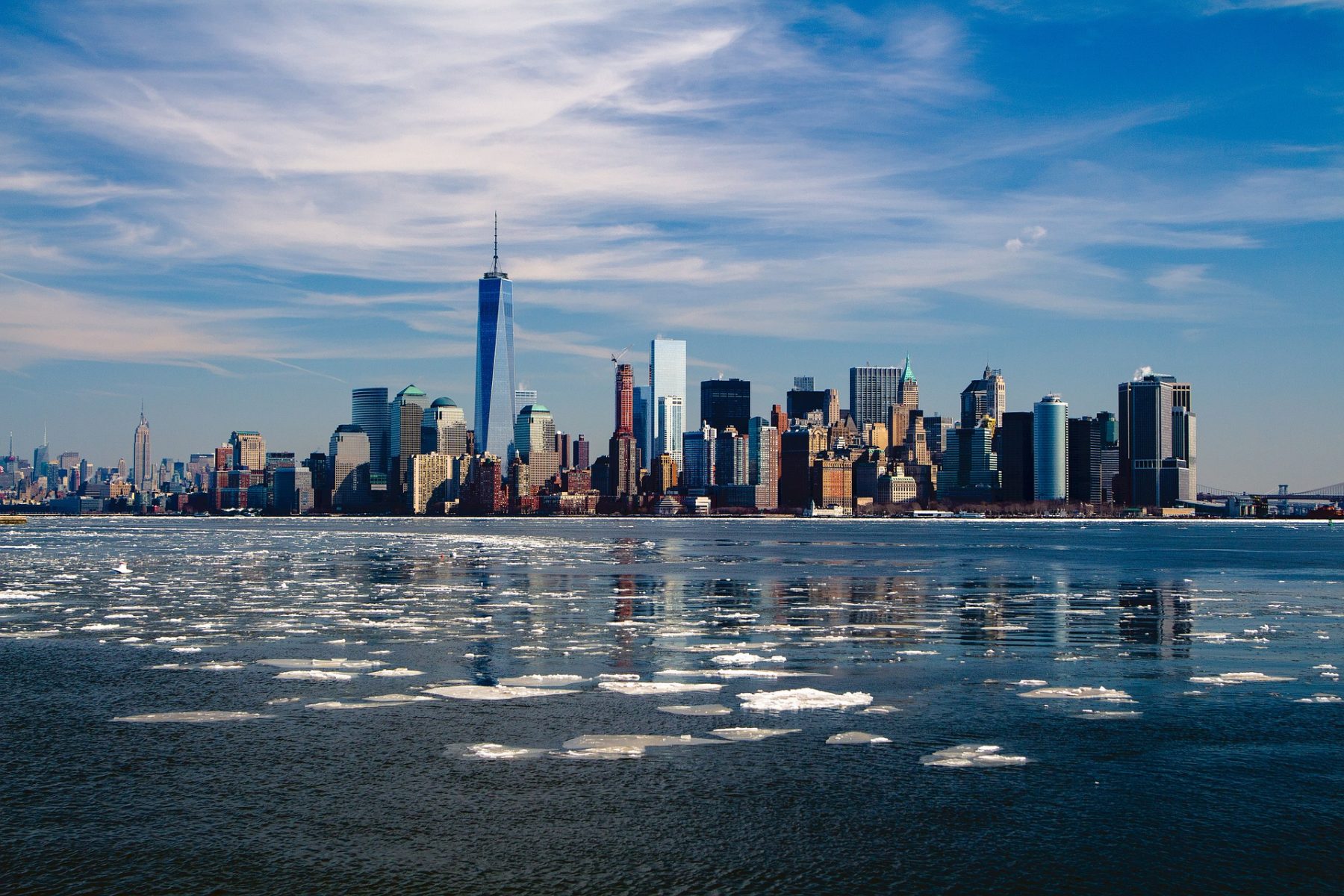
New York City is often discussed as a single real estate market, but in reality, it is a mosaic of distinct neighborhoods, each with its own history, demand drivers, and investment narrative. From the brownstones of Brooklyn to the high-rises of Midtown and the evolving waterfronts of Queens, every NYC neighborhood tells a different real estate story shaped by culture, infrastructure, and community identity.
History Shapes Value
Many NYC neighborhoods carry decades—sometimes centuries—of architectural and cultural history that directly influence property values. Areas such as Harlem, the Upper West Side, and Brooklyn Heights reflect periods of growth, decline, and revitalization. These cycles create unique pricing dynamics and buyer profiles. Historic districts often attract buyers seeking character and long-term stability, while emerging neighborhoods appeal to those focused on appreciation and transformation.
Understanding this historical context helps explain why two neighborhoods just blocks apart can experience dramatically different market behavior.
Lifestyle Drives Demand
Real estate in New York is deeply tied to lifestyle. Proximity to parks, schools, transportation, nightlife, and employment centers influences demand in powerful ways. Neighborhoods like Tribeca and SoHo attract buyers seeking luxury, space, and prestige, while areas such as Astoria and Park Slope appeal to families drawn to community amenities and quality of life.
Each neighborhood supports a distinct rhythm of living, and buyers self-select based on how well that rhythm matches their priorities. This lifestyle alignment shapes pricing, turnover rates, and long-term desirability.
Infrastructure and Accessibility Matter
Transportation access often defines a neighborhood’s real estate trajectory. Subway expansions, ferry routes, and transit upgrades can rapidly reshape demand. Neighborhoods once considered peripheral, such as Long Island City or parts of the Bronx, have seen significant appreciation as connectivity improves.
Investors and buyers closely watch infrastructure developments because accessibility influences not just convenience, but employment access and future growth potential.
Economic and Demographic Diversity
NYC’s neighborhoods reflect diverse economic profiles. Some areas are driven by luxury markets, international buyers, and high-net-worth residents, while others are supported by middle-income households, small businesses, and long-standing communities. These differences affect rental demand, price sensitivity, and resilience during market shifts.
Demographic trends—including age, household size, and income levels—shape housing types and development patterns, reinforcing each neighborhood’s unique story.
Local Policy and Zoning Influence Outcomes
Zoning regulations, landmark status, and local development policies also play a critical role. Some neighborhoods limit new construction, preserving scarcity and supporting higher prices. Others encourage density and mixed-use development, attracting new investment and reshaping the housing landscape.
These policy decisions create distinct supply dynamics that influence long-term value.
Conclusion
NYC is not one real estate market, but many. Each neighborhood tells its own story through history, lifestyle, infrastructure, demographics, and policy. For buyers, sellers, and investors, understanding these local narratives is essential. In New York City, real estate success comes from recognizing that location is not just about geography—it is about context, character, and change.