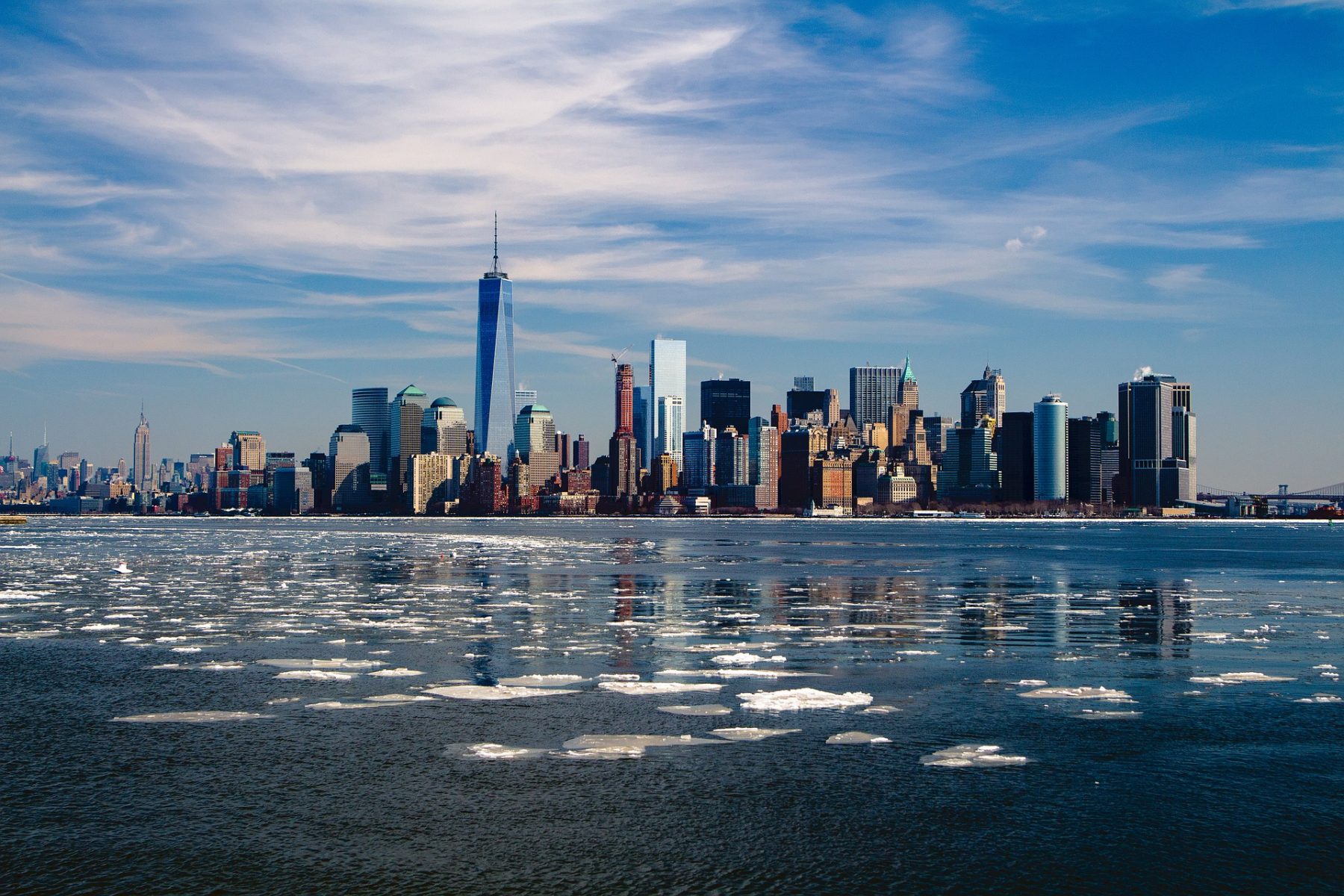
New York City real estate is about more than square footage, building features, or purchase price. The character of a neighborhood plays an important role in shaping how people choose where to live, what they are willing to pay, and how they evaluate long term property value. From the historic streets of the West Village to the energetic atmosphere of the Lower East Side, every NYC neighborhood offers a distinct combination of lifestyle, convenience, culture, and community.
Understanding these characteristics can help buyers, sellers, investors, and renters make more informed real estate decisions.
Lifestyle and Neighborhood Identity
One of the defining features of New York City is the diversity of its neighborhoods. Each area has its own identity, influenced by its architecture, local businesses, cultural institutions, restaurants, parks, and everyday rhythms.
Some buyers are drawn to the classic brownstones and quieter residential streets of Brooklyn neighborhoods such as Brooklyn Heights. Others prefer the vibrant nightlife, restaurants, and cultural attractions of the East Village. In Manhattan, neighborhoods like Tribeca attract residents seeking spacious lofts, distinctive architecture, and convenient access to downtown destinations.
These lifestyle differences influence real estate demand because people are not simply purchasing or renting a property. They are choosing the environment in which they will spend their time, build routines, and connect with their surroundings.
Access to Transportation and Everyday Conveniences
Convenience is another major factor shaping NYC real estate values. Access to subway lines, bus routes, major employment centers, grocery stores, healthcare facilities, and other essential services can make a neighborhood particularly attractive.
For professionals who commute regularly, proximity to reliable transportation may be a significant consideration. Residents who work remotely may place greater importance on nearby cafes, parks, fitness studios, and spaces for recreation.
Neighborhoods that offer a strong combination of accessibility and everyday convenience can appeal to a broad range of residents. This demand can influence rental competition, buyer interest, and the relative value of properties within the area.
Architecture, Public Spaces, and Community Appeal
The physical character of a neighborhood also contributes to its real estate appeal. Historic buildings, tree lined streets, waterfront promenades, and thoughtfully maintained public spaces can create a distinctive atmosphere that attracts residents.
For example, the architectural variety of SoHo gives the neighborhood a recognizable identity, while the waterfront parks and residential developments of Long Island City offer a different urban experience.
Local businesses, community events, and cultural destinations further strengthen neighborhood identity. These features can make an area feel established, welcoming, and connected, qualities that many residents consider when evaluating a potential home.
Neighborhood Change and Evolving Demand
New York City neighborhoods are constantly evolving. New residential developments, transportation improvements, restaurants, retail spaces, and cultural destinations can reshape how an area is perceived.
These changes may attract new residents and influence real estate demand. However, neighborhood improvement does not guarantee property appreciation. Buyers and investors should also consider affordability, building condition, property taxes, future development, and broader market conditions.
Understanding both a neighborhood’s current character and its potential changes provides a more complete perspective on real estate opportunities.
Looking Beyond the Property
In NYC real estate, neighborhood character is an important part of the overall value proposition. A property’s appeal depends not only on its interior features but also on the experiences, conveniences, and opportunities available beyond its front door.
By evaluating lifestyle, transportation, architecture, community, and neighborhood development, buyers and investors can gain a deeper understanding of what makes a property desirable. In a city as diverse as New York, the right neighborhood can be just as important as the right apartment.